
Marwari horses, known for their distinctive inwardly curved ears, hail from the Marwar region of Rajasthan, India. These magnificent creatures possess a combination of unique behavior traits and intelligence, making them excellent companions and versatile riding partners. Their behavior and training methods have been honed over centuries, reflecting the symbiotic relationship between the Marwari people and their horses.
Behaviour

1. Loyalty and Bonding: Marwari horses are known for their strong bond with their riders. They are exceptionally loyal and tend to form deep connections with their human companions, making them highly dependable in challenging situations.
2. Sensitivity: Marwaris are inherently sensitive and responsive to their surroundings. They can pick up on subtle cues from their riders, making them ideal for disciplines that require close communication and nuanced signals.
3. Agility and Athleticism: These horses possess a natural agility and grace, enabling them to perform intricate movements and maneuvers. Their flexibility and nimbleness are highly valued, especially in traditional Indian equestrian events and showcases.
4. Alertness: Marwari horses are naturally alert and attentive. This trait is a result of their history as war and hunting horses, where staying vigilant was essential for survival. Today, this attribute translates into a keenness to learn and adapt during training sessions.
5. High Endurance: Adapted to the arid and demanding environment of Rajasthan, Marwaris have developed impressive endurance levels. They can endure long hours of riding and challenging terrains, making them suitable for endurance riding and long-distance journeys.
Training
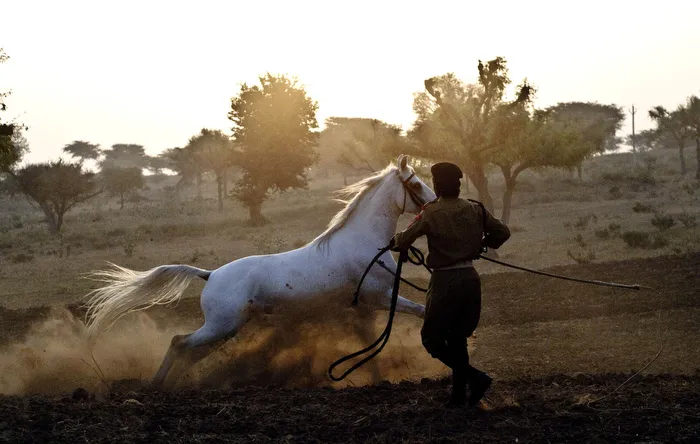
1. Positive Reinforcement: Marwari horses respond well to positive reinforcement training techniques. Rewarding desired behaviors with treats, pats, or verbal praise encourages them to repeat those actions, creating a positive learning experience.
2. Consistency and Patience: Consistent training methods and patient handling are vital for Marwari horses. They may take time to process and accept new commands or exercises, so patience is necessary during their training journey.
3. Gentle Approach: Given their sensitivity, a gentle and understanding approach is essential when handling Marwari horses. Harsh or forceful training methods can lead to resistance and trust issues, hindering progress.
4. Gradual Progression: Starting with basic groundwork and gradually introducing new exercises or riding techniques is crucial to avoid overwhelming the horse. A step-by-step approach ensures the horse’s comfort and builds confidence throughout the training process.
5. Understanding the Horse’s Nature: Each Marwari horse may have its own unique personality and learning style. Understanding the individual horse’s temperament and adjusting the training accordingly can lead to more effective results.
6. Social Interaction: Marwari horses are social animals, and interactions with other horses can play a positive role in their development. Turnout with compatible equine companions can help alleviate stress and foster a well-rounded personality.
In conclusion, Marwari horses exhibit distinctive behavior traits that stem from their rich history and environment. When trained with patience, understanding, and positive reinforcement, these intelligent and loyal horses can excel in various equestrian disciplines and form a lasting bond with their riders.