Marwari horses, known for their elegance, agility, and unique inwardly curved ears, are a breed native to the Marwar region of Rajasthan, India. As with any horse, proper nutrition is essential to ensure their overall health, well-being, and performance. A balanced and appropriate diet is crucial for Marwari horses, considering their specific needs and the environmental conditions they are exposed to.
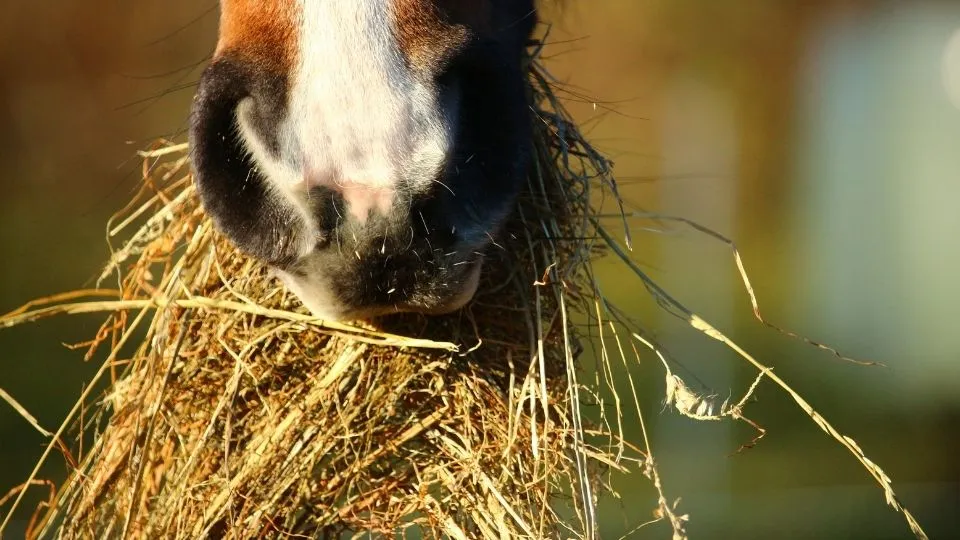
1. Forage and Roughage: The foundation of a Marwari horse’s diet should be high-quality forage, such as grass hay or pasture. Forage provides essential fiber, which aids in proper digestion and keeps the horse’s gut healthy. Access to fresh, clean water at all times is also paramount to prevent dehydration.
2. Concentrates: In addition to forage, Marwari horses may require concentrates or grains to meet their energy and nutritional needs, especially if they are engaged in moderate to heavy work. Common grains used in their diet include oats, pearl millet , barley, gram and corn. It’s essential to feed concentrates in appropriate quantities to avoid overfeeding and related health issues.
3. Protein: Protein is crucial for muscle development, maintenance, and overall health. Marwari horses in light to moderate work generally require lower levels of protein compared to highly active or breeding individuals. High-quality forage often provides sufficient protein for light to moderate workloads.
4. Vitamins and Minerals: Marwari horses require essential vitamins and minerals to support various bodily functions. A balanced commercial horse feed or a well-formulated supplement can help meet these requirements. Common minerals of importance include calcium, phosphorus, zinc, copper, and selenium.
5. Electrolytes: Electrolytes help maintain the proper balance of minerals in the body and are particularly important during hot and humid conditions or when the horse is engaged in intense physical activity. Electrolyte supplements should be administered according to the horse’s needs.
6. Fats and Oils: Including a source of healthy fats and oils in the diet can provide additional energy and promote a shiny coat. Vegetable oils, flaxseed, and rice bran are common sources of dietary fats for horses.
7. Avoid Overfeeding: Overfeeding can lead to obesity and related health issues, so it’s essential to feed the horse according to its age, weight, and level of activity. Regular monitoring of body condition score can help ensure the horse maintains a healthy weight.
8. Feeding Schedule: Marwari horses generally benefit from regular feeding schedules and should be provided with small meals throughout the day rather than large, infrequent ones.
9. Seasonal Considerations: During extreme weather conditions, such as hot summers or cold winters, adjustments in the diet may be necessary to accommodate the horse’s energy requirements and support overall health.
10. Regular Veterinary Checkups: Regular veterinary checkups are vital to monitor the horse’s health, address any nutritional deficiencies or imbalances, and adjust the diet as needed.
In conclusion, a well-balanced diet is essential for maintaining the health, performance, and well-being of Marwari horses. Owners should tailor the feeding program based on individual needs, activity levels, and environmental factors to ensure these magnificent animals thrive in all aspects of their lives.