
The Marwari horse is a unique and elegant breed native to the Marwar region of Rajasthan, India. These horses are known for their distinctive inwardly curved ears and graceful appearance. To provide proper care and maintenance for Marwari horses, a well-designed stable and appropriate equipment are essential. Here’s a guide on setting up a suitable stable and the necessary equipment:
Stable Design
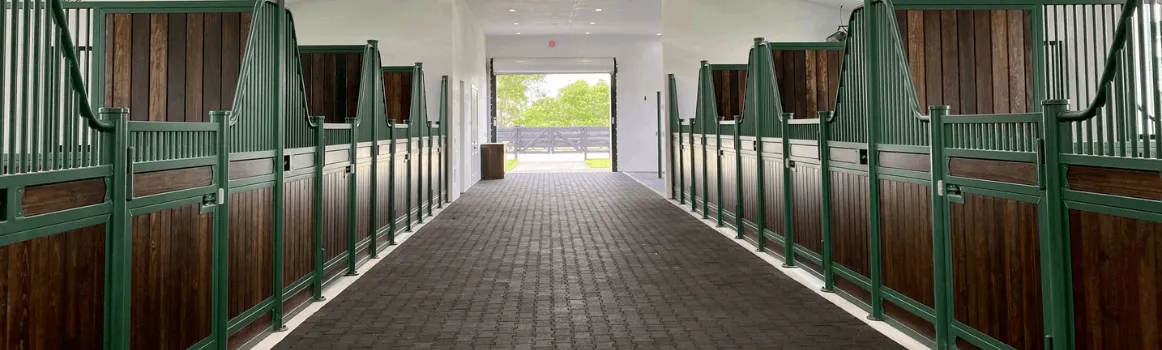
1. Size and Layout: The stable should be spacious enough to allow the horse to move around comfortably. A typical stall size for a Marwari horse is around 12’x12′, but it may vary depending on the horse’s size and individual needs. The layout should facilitate easy access to feed, water, and grooming areas.
2. Ventilation: Proper ventilation is crucial for the horse’s health and well-being. The stable should have windows or vents to allow fresh air to circulate and prevent the buildup of harmful fumes or dust.
3. Lighting: Ample natural light during the day is beneficial for the horse’s mental and physical health. Adequate artificial lighting should also be available for nighttime activities.
4. Flooring: The flooring should be made of a non-slip material like rubber mats to ensure the horse’s safety and comfort.
5. Bedding: Provide ample bedding such as straw or shavings to create a soft and clean resting area for the horse.
Equipment
1. Feeding Equipment: Stainless steel or heavy-duty plastic feed and water buckets should be used to provide the horse with fresh feed and water regularly.
2. Grooming Supplies: Marwari horses have a luxurious coat that requires regular grooming. Essential grooming supplies include curry combs, dandy brushes, body brushes, hoof picks, mane combs, and grooming mitts.
3. Tack: Properly fitted tack, including saddles, bridles, and reins, should be used for riding and training. Marwari horses have unique head shapes, so it’s crucial to ensure that the tack fits them comfortably and doesn’t cause any discomfort.
4. First Aid Kit: Keep a well-stocked first aid kit in the stable for minor injuries or emergencies.
5. Blankets and Sheets: Depending on the weather conditions, appropriate blankets or sheets should be available to protect the horse from extreme cold or rain.
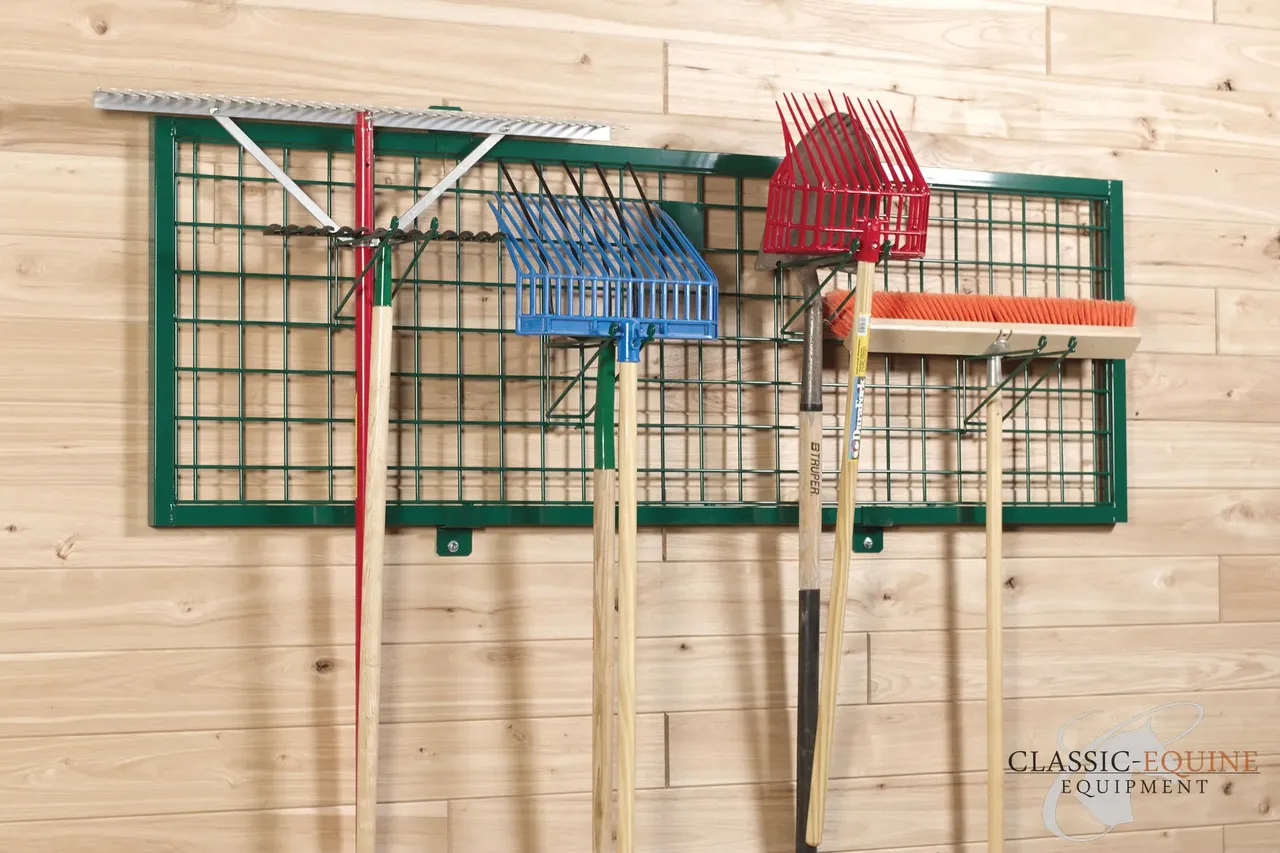
6. Storage Space: Designate a storage area within the stable for keeping horse feed, bedding, and other equipment organized and easily accessible.
7. Hay Rack or Feeder: Use a hay rack or feeder to prevent hay wastage and keep the feeding area clean.
8. Tack Room: If possible, have a separate tack room to store saddles, bridles, and other equipment securely.
Daily Care
1. Regular Cleaning: The stable should be cleaned daily to remove manure and soiled bedding. A clean environment is essential for the horse’s health and reduces the risk of infections.
2. Fresh Water: Provide fresh and clean water at all times to keep the horse hydrated.
3. Feeding Schedule: Establish a consistent feeding schedule to ensure the horse receives the proper nutrition.
4. Exercise and Turnout: Marwari horses are active animals that benefit from regular exercise and turnout in a safe, enclosed area.
5. Regular Veterinary Checkups: Schedule regular checkups with a qualified veterinarian to monitor the horse’s health and address any potential issues promptly.
By providing a well-designed stable and the right equipment, you can ensure that your Marwari horse remains healthy, happy, and in optimal condition for various activities, be it riding, working, or simply being a beloved companion. Always remember to treat each horse as an individual and adjust their care and equipment based on their specific needs and preferences.